
Pet Spay (traditional/open) in Potton
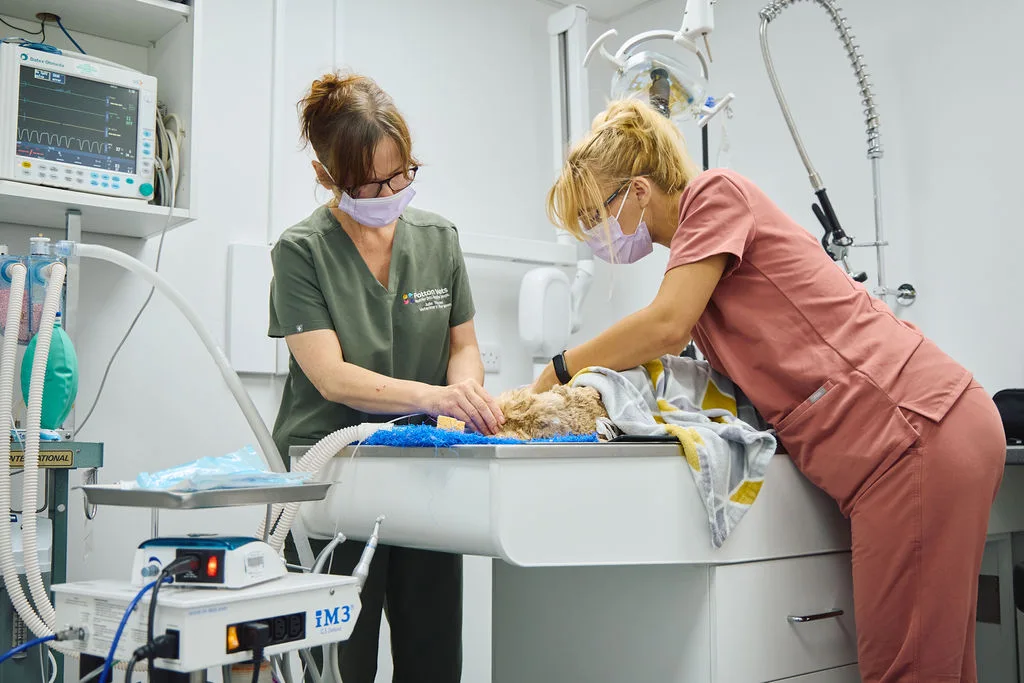
A traditional spay removes the ovaries, and usually the uterus, through an incision in the abdomen under general anaesthetic. It prevents litters and seasons, and removes the risk of pyometra – a womb infection that is common, expensive and can be fatal.
What pet owners say about us
-
★★★★★
My puppy was very sick and I cant say how thankful I am to everyone who works at potton vets. From the staff on the front desk to the nurses and vets. When I was sad they comfort me and kept me going. My puppy is all well now and everyone was so happy to see him. They feel like part of my family. From Amanda and Teddy x
Amanda
-
★★★★★
Just switched from Deepdale vets to here, my first experience was amazing and I am sure my 2 cats will have the best care ever. Vet was kind and took her time, receptionist was lovely 😍
Florence
-
★★★★★
Lovely staff kind considerate and attentive to my little Rommie rescue who was nervous Highly recommend great service thank you
lynne
Based on {{ $count }} Google reviews.
About Spay (traditional/open) in pets
This is the conventional, long-established way of spaying. It is a bigger operation than castration, and we take it seriously, but it is one of the most worthwhile things you can do for a female pet.
Why spay
- No unwanted litters, and no seasons – no bleeding, no mess, no male dogs camped outside.
- It removes the risk of pyometra, a womb infection that affects a substantial proportion of unspayed older bitches and needs emergency surgery.
- Spaying before or between early seasons substantially reduces the risk of mammary tumours.
- In cats it prevents repeated pregnancies and calling, and the risks that go with roaming.
Timing
We usually avoid operating during or immediately after a season, when the tissues are more vascular. The best age depends on species, breed and size, and for large-breed dogs there is a genuine trade-off worth discussing. Ask us about your pet rather than going on a number.
What happens on the day
Starved from the night before, pre-operative check, surgery, and home the same day in most cases. Expect roughly 10 to 14 days of restricted exercise, something to stop her licking the wound, and a post-operative check.
What is included in the price
Before anything goes ahead you get a written estimate that says plainly, for each of the following, whether it is included in the quoted price or charged separately:
- The pre-operative examination on the day.
- A pre-anaesthetic blood test.
- Intravenous fluids during the procedure.
- Pain relief given during the procedure.
- Pain relief to take home afterwards.
- Post-operative check-up appointments.
- A protective collar or body suit to stop your pet interfering with the wound.
If anything unexpected comes up during the procedure, we ring you before going any further.
The keyhole alternative
For dogs we also offer keyhole spaying, which uses much smaller incisions and generally means a quicker, more comfortable recovery. It costs more. Both prices are published so you can weigh it up properly.
What it costs
On our price list, by species and by weight for dogs.
What it costs
- Cats £175.00
- Rabbits £240.00
- Ferrets £180.00
- Small 0–10 kg£395.00
- Medium 10–25 kg£435.00
- Large 25–40 kg£490.00
- Extra-large 40–60 kg£620.00
- Giant 60+ kg£720.00
Our full fee list is published so you can check the cost before you book. Anything not listed is quoted individually, and we will always talk a treatment plan through with you first.
Common questions
It is the removal of the ovaries, and usually the uterus, through an incision in the abdomen under general anaesthetic. It prevents litters and seasons, removes the risk of pyometra -- a serious womb infection -- and, done early enough, substantially reduces the risk of mammary tumours.
The price is published on our price list by species, and by weight band for dogs. Keyhole spaying is published separately so you can compare the two.
Not during or just after a season. Beyond that it depends on species, breed and adult size -- for large-breed dogs there is a real trade-off to discuss. We would rather talk about your pet than give a blanket age.
It is a bacterial infection of the womb that typically develops in older unspayed females a few weeks after a season. It is common, it makes them very unwell, and it needs emergency surgery that costs considerably more than a planned spay. Spaying removes the risk entirely.
Most pets go home the same day. Expect about 10 to 14 days of rest and lead-only walks, a collar or body suit to stop her licking the wound, and a post-operative check with us.